
Policies
If you would like to check our policies and processes, click on each policy below and it will take you to the relevant section.
Behaviour & Inclusion Policy
Behaviour and Inclusion Policy for CA Alternative Futures
Effective Date: Sept 2026
Review date: Sept 2027
1. Purpose
CA alternative Futures is committed to fostering a positive, inclusive environment where all children aged 5-15 feel safe, respected, and valued. This policy outlines expectations for behaviour, procedures for managing issues, and measures to ensure inclusivity, in compliance with the Equality Act 2010 and safeguarding standards.
- Scope
This policy applies to all children, staff, volunteers, and parents/guardians involved in the holiday club, covering behaviour during activities, whether on-site or off-site. - Principles
- Respect: All children and staff treat each other with kindness and respect.
- Inclusivity: Every child, including those with special educational needs or disabilities (SEND), is supported to participate fully.
- Safety: Behaviour is managed to ensure a safe environment, aligned with the Safeguarding Policy.
- Fairness: Consequences are applied consistently and proportionately.
- Behaviour Expectations
- Children are expected to:
- Listen to staff and follow instructions.
- Respect peers, staff, and property.
- Report concerns (e.g., bullying) to staff immediately.
- Age-specific rules:
- Ages 5-7: Simple rules (e.g., “hands to self,” “use kind words”).
- Ages 8-11: Emphasise cooperation and teamwork.
- Ages 12-15: Encourage responsibility and peer leadership.
- Positive behaviour is reinforced through praise, awards, or group rewards.
- Managing Behaviour
- Minor Issues: Addressed with verbal reminders, redirection, or short time-outs (e.g., 5 minutes for ages 5-7).
- Serious Issues (e.g., bullying, aggression):
- Staff follow a three-step process: verbal warning, parental discussion, and potential suspension (for repeated or severe incidents).
- Incidents are logged and reported to the Designated Safeguarding Lead if safeguarding concerns arise.
- Bullying: zero-tolerance approach, with immediate investigation, support for victims, and consequences (e.g., apology, parental meeting).
- Parents are informed of serious incidents at pick-up or sooner if necessary.
- Inclusion Measures
- SEND Support: Children with SEND receive tailored support (e.g., sensory breaks, simplified instructions), based on parental input via the booking system (per GDPR Policy).
- Cultural Sensitivity: Activities reflect diverse backgrounds (e.g., multicultural crafts, dietary options for cookery sessions).
- Gender and Diversity: Gender-neutral options (e.g., toilets, activities) are provided where possible, respecting individual preferences.
- Staff are trained on inclusion to ensure no child is excluded or singled out.
- Roles and Responsibilities
- Club Manager: Oversees policy implementation, trains staff and handles escalated behaviour issues.
- Staff and Volunteers: Model positive behaviour, enforce rules consistently, and support inclusion.
- Parents/Guardians: Inform staff of behavioural or SEND needs at registration and support behaviour expectations.
- Children: Follow rules and report concerns to staff.
- Training and Communication
- Staff receive annual training on behaviour management, de-escalation, and inclusion.
- Children are briefed on rules in an age-appropriate way at the start of each session.
- Parents receive a policy summary via registration materials or the website.
- Compliance and Monitoring
- Behaviour incidents are logged and reviewed to identify patterns or training needs.
- Policy compliance is audited annually, with updates as needed.
- Non-compliance by staff (e.g., inconsistent rule enforcement) may result in disciplinary action.
- Contact Information
For concerns, contact: Chris Forshaw (Manager)
Aaron Rafferty (Deputy Manager)
CA Alternative Futures LTD
23 Lathem Avenue
Helsby
Cheshire
WA6 0DY
Email: Caalternativefutures@hotmail.com
Phone: 07547803788
For safeguarding issues, contact the Designated Safeguarding Lead: Chris Forshaw
- Review
This policy is reviewed annually or as required by legal or operational changes. Last updated: Sept 2027.
Booking & Refund Policy
Booking and Refund Policy for CA Alternative Futures
Effective Date: Sept 2026
Review date: Sept 2027
- Purpose
CA alternative Futures aims to provide clear, transparent terms for booking and refund processes to ensure efficient operations and parental satisfaction, while maintaining compliance with UK consumer and data protection laws. - Scope
This policy applies to all parents/guardians booking sessions for children aged 5-15, covering bookings made via the online booking system, in-person, or by phone.
3. Booking Process
- Bookings are made primarily through the secure online booking system, with options for full-day or weekly sessions.
- Accepted payment methods include card payments, cash payments and council paid places.
- Bookings must be confirmed with full payment 2 days before session start (you can pay on the day if there are spaces available).
- Parents provide child details (e.g., age, medical needs) at booking, stored per the GDPR Policy.
- If transitioning to a new booking system, parents will be notified of changes and data migration procedures.
- Cancellation and Refund Terms
- Cancellations by Parents:
- Full refunds for cancellations with 5+ days’ notice.
- 50% refund for cancellations with 2-4 days’ notice.
- No refunds for cancellations with zero notice or no-shows.
- Cancellations by Club:
- Full refunds or alternative sessions offered for club-initiated cancellations (e.g., low enrolment).
- No refunds for closures due to force majeure (e.g., extreme weather), but alternative activities (e.g., online sessions) are provided where possible.
- Refunds are processed within 10 working days via the original payment method.
- Late Pick-Up/Early Drop-Off
- Standard hours are insert hours, e.g., 8:30am-3:30pm, with extended hours (e.g., 8am-6pm) available for a fee.
- Late pick-up or early drop-off may incur a fee depending on severity.
- Repeated lateness may result in a review of the child’s attendance.
- Changes to Bookings
- Parents may request session changes (e.g., switching days) via the booking system, subject to availability and 48 hours’ notice.
- No additional fees for changes, unless upgrading to extended hours.
- Roles and Responsibilities
- Club Manager: Ensures the booking system operates smoothly and handles disputes.
- Staff: Assist parents with booking queries and escalate issues to the manager.
- Parents/Guardians: Provide accurate booking information and adhere to payment deadlines.
- Compliance and Communication
- Booking data is handled per the GDPR Policy and Information Security Policy.
- Terms are communicated via the booking system, website, and registration materials.
- Disputes are addressed per the Complaints and Feedback Policy.
- Contact Information
For booking queries, contact:
Chris Forshaw, Club Manager
Aaron Rafferty, Deputy Manager
CA Alternative Futures LTD
23 Lathem Avenue
Helsby
Cheshire
WA60DY
Email: Caalternativefutures@hotmail.com
Phone: 07547803788
- Review
This policy is reviewed annually or after significant changes (e.g., new booking system). Last updated: Sept 2026
Complaints & Feedback Policy
Complaints and Feedback Policy for CA Alternative Futures
Effective Date: 01/06/2025
- Purpose
CA alternative Futures is committed to addressing concerns and gathering feedback to improve services, ensuring transparency and parental satisfaction, in compliance with UK regulations (e.g., Data (Use and Access) Bill, Ofsted if applicable).
- Scope
This policy applies to complaints and feedback from parents/guardians, children, staff, or volunteers about club activities, services, or staff conduct.
- Principles
- Accessibility: Complaints and feedback are easy to submit and handled promptly.
- Fairness: Issues are investigated impartially and resolved consistently.
- Improvement: Feedback informs operational enhancements.
- Confidentiality: Data related to complaints is handled per the GDPR Policy.
- Complaints Process
- Submitting Complaints:
- Verbal complaints can be made to staff or the club manager in-person or by phone.
- Written complaints are submitted via email ([insert email]) or the booking system.
- Response:
- Acknowledgment within 2 working days.
- Investigation and response within 5 working days, with updates for complex cases.
- Escalation: Unresolved complaints are escalated to an independent mediator or, if Ofsted-registered, to Ofsted ([insert Ofsted contact details]).
- Contractual Disputes: Unresolved disputes (e.g., misrepresented services) may proceed to small claims court, with guidance provided to parents.
- Feedback Process
- Feedback is encouraged via surveys (online or paper), suggestion boxes, or informal discussions.
- Anonymous feedback is accepted to encourage openness.
- Feedback is reviewed monthly to identify improvements (e.g., new activities for teens).
- Roles and Responsibilities
- Club Manager: Oversees complaints, ensures timely responses, and implements feedback.
- Staff: Report complaints to the manager and encourage feedback from children/parents.
- Parents/Children: Provide honest feedback and report concerns promptly.
- Compliance and Monitoring
- Complaints are logged securely (per GDPR Policy) and reviewed to identify trends.
- Policy adherence is audited annually.
- Non-compliance (e.g., ignoring complaints) may result in disciplinary action.
- Contact Information
For complaints or feedback, contact:
Chris Forshaw, Club Manager
Aaron Rafferty, Deputy Manager
CA Alternative Futures LTD
23 Lathem Avenue
Helsby
Cheshire
WA6 0DY
Email: Caalternativefutures@hotmail.com
Phone: 07547803788
- Review
This policy is reviewed annually or after regulatory changes. Last updated: 01/06/2025.
Data Protection Policy
Data Protection Policy for CA Alternative Futures
Effective Date: 01/06/2025
Review Date: March 2027
1. Purpose
CA Alternative Futures is committed to protecting the personal data of children, parents, guardians, staff, and volunteers in compliance with the UK General Data Protection Regulation (UK GDPR) and Data Protection Act 2018. This policy outlines how we collect, process, store, and dispose of personal data securely, ensuring confidentiality, integrity, and availability, with integrated information security measures to safeguard data.
- Scope
This policy applies to all employees, volunteers, contractors, and third parties handling personal data on behalf of CA Alternative Futures. It covers all personal data, including names, contact details, medical information, and payment records, whether stored physically or electronically, including data processed via our online booking system.
- Definitions
- Personal Data: Information relating to an identifiable person (e.g., names, addresses, medical details).
- Special Category Data: Sensitive data, such as health or dietary requirements, requiring extra protection.
- Data Controller: CA Alternative Futures, responsible for determining how and why personal data is processed.
- Data Processor: Any third party (e.g., booking system provider) processing data on our behalf.
- Principles of Data Protection
We adhere to the UK GDPR principles:
- Lawfulness, Fairness, and Transparency: Process data legally and inform individuals how their data is used.
- Purpose Limitation: Collect data only for specified, legitimate purposes (e.g., booking, safeguarding, medical needs).
- Data Minimisation: Collect only what is necessary (e.g., parent contact details, child’s medical conditions).
- Accuracy: Keep data accurate and updated (e.g., verify contact details annually).
- Storage Limitation: Retain data only as long as necessary (e.g., delete booking data 12 months after a child’s last attendance, unless legally required).
- Integrity and Confidentiality: Protect data with appropriate security measures.
- Accountability: Demonstrate compliance through policies, training, and audits.
- Lawful Basis for Processing
We process personal data under the following lawful bases:
- Consent: For marketing or optional data (e.g., photos for promotional materials, with explicit parental consent).
- Contract: To fulfil bookings or services (e.g., processing payment details).
- Legal Obligation: To comply with safeguarding or tax laws.
- Vital Interests: To protect a child’s life (e.g., sharing medical data in an emergency).
- Legitimate Interests: For operational needs, like contacting parents about session changes, ensuring no override of individual rights.
- Data Collection and Use
We collect personal data such as:
- Child’s name, age, medical/dietary needs, and emergency contacts.
- Parent/guardian names, addresses, phone numbers, and payment details.
- Staff/volunteer details (e.g., DBS checks, contact information).
Data is collected via a secure online booking system, paper forms, or direct communication and used for:
- Managing bookings and attendance.
- Ensuring child safety and welfare.
- Communicating with parents/guardians.
- Complying with legal obligations (e.g., safeguarding referrals).
The online booking system is used to collect, store, and process data securely. Parents/guardians are informed of data use at the point of collection, and explicit consent is obtained for marketing communications (e.g., newsletters).
- Information Security Measures
To protect personal data, we implement:
- Access Controls: Only authorised staff access data, using unique login credentials with multi-factor authentication where available. Access is role-based (e.g., only medical staff access health data).
- Encryption: Electronic data, including booking system records, is encrypted at rest and in transit using industry-standard protocols (e.g., AES-256).
- Secure Storage: Physical records are stored in locked cabinets; electronic data is on password-protected systems with regular security updates.
- Secure Disposal: Paper records are shredded; electronic data is deleted using secure methods (e.g., overwriting software).
- Third-Party Contracts: Booking system providers and other third-party processors sign Data Processing Agreements (DPAs) per Article 28 of UK GDPR, ensuring compliance with security and confidentiality standards.
- Data Protection Impact Assessments (DPIAs): Conducted for high-risk processing (e.g., handling special category data like medical records) or when implementing new systems.
- Regular Audits: Annual reviews of data handling practices, including booking system security, to ensure compliance.
- Incident Response: Any suspected breach is investigated immediately, with containment and mitigation measures applied promptly.
- Use of Online Booking System
- System Overview: CA Alternative Futures uses a secure online booking system to collect, store, and process personal data for booking and operational purposes. We remain the data controller, ensuring compliance with UK GDPR, while the system provider acts as a data processor.
- Security Measures: The booking system employs end-to-end encryption, secure access controls (e.g., unique staff logins), and regular security audits. We verify the provider’s compliance through a DPA, which includes breach notification protocols and secure data handling.
- Data Sharing: Limited personal data (e.g., names, contact details) is shared with the system provider solely for functionality. No data is used for purposes beyond those specified without explicit consent.
- User Responsibilities: Parents/guardians must ensure data accuracy in the system and report errors to [insert contact details]. Staff are trained to use the system securely, adhering to access control policies.
- Parental Access: Parents can access, update, or request deletion of their data via the booking system’s interface or by contacting our Data Protection Officer (DPO).
- Transitioning to a New Booking System
- Future Changes: If we transition to a new booking system, we will ensure the provider complies with UK GDPR. This includes:
- Conducting a DPIA to assess risks to children’s and parents’ data, particularly for special category data (e.g., medical records).
- Signing a DPA with the new provider, ensuring encryption, secure storage, and breach notification protocols.
- Verifying security features, such as end-to-end encryption, multi-factor authentication, and regular penetration testing.
- Notifying parents/guardians of the transition, including how data will be securely transferred and any updated privacy policies.
- Data Migration: Data will be transferred securely using encrypted methods, with integrity checks to ensure accuracy. Legacy data will be retained only per our retention schedule (e.g., 12 months post-attendance) and securely deleted thereafter.
- Continuity of Compliance: This policy will be updated to reflect the new system’s features, ensuring ongoing GDPR compliance.
- Data Retention and Disposal
- Retention Periods: Data is retained only as long as necessary (e.g., booking data for 12 months post-attendance, financial records for 7 years per tax law). Retention schedules are documented and reviewed annually.
- Disposal: Paper records are shredded; electronic data, including booking system records, is deleted using secure methods. Deviations from retention schedules are recorded with justification.
- Data Subject Rights
Individuals (parents, children, staff) have rights under UK GDPR, including:
- Right of Access: Request copies of their data via a Subject Access Request (SAR).
- Right to Rectification: Correct inaccurate data.
- Right to Erasure: Request deletion when data is no longer needed.
- Right to Restrict Processing: Limit data use in specific cases.
- Right to Data Portability: Receive data in a machine-readable format.
SARs are handled within one month, with proof of identity required. Contact Chris Forshaw to exercise these rights.
- Data Sharing
- Data is shared only when necessary (e.g., with emergency services or safeguarding authorities).
- The booking system provider processes data under a DPA, ensuring GDPR compliance. No data is shared for marketing without explicit consent.
- International data transfers, if applicable, comply with UK GDPR safeguards (e.g., adequacy decisions or standard contractual clauses).
- Data Breaches
- A data breach (e.g., unauthorised access, loss of data) is reported to the Information Commissioner’s Office (ICO) within 72 hours if it risks individuals’ rights.
- Staff must report breaches immediately to the DPO.
- Procedures include containment, assessment, and notification to affected parents/guardians, with booking system providers required to notify us of breaches promptly per their DPA.
- Roles and Responsibilities
- Data Protection Officer (DPO): Chris Forshaw (director) oversees compliance, handles SARs, monitors booking system security, conducts DPIAs for system changes, and reports breaches.
- Staff and Volunteers: Must complete annual data protection training, report breaches, and follow this policy, including secure use of the booking system.
- Senior Management: Ensures resources for compliance and policy enforcement.
- Training and Awareness
- All staff and volunteers receive mandatory training on data protection and information security, covering GDPR principles, booking system use, and breach reporting.
- Guidelines are displayed at club venues to reinforce awareness.
- Compliance and Monitoring
- Annual audits ensure policy adherence, including reviews of booking system security.
- Policies are reviewed yearly or after significant legislative changes (e.g., Data (Use and Access) Bill updates).
- Non-compliance (e.g., unauthorised data access) may result in disciplinary action, up to termination, and potential ICO penalties.
- Contact Information
For queries, SARs, or complaints, contact:
Chris Forshaw, Data Protection Officer
Email: caalternativefutures@hotmail.com
For unresolved concerns, contact the ICO:
Information Commissioner’s Office
Wycliffe House
Water Lane
Wilmslow
Cheshire
SK9 5AF
Phone: 0303 123 1113
Website: www.ico.org.uk
- Review
This policy is reviewed annually or as required by legal or operational changes. Last updated: 01/05/2025
Key Features of the Policy
- UK GDPR Compliance: Adheres to GDPR principles, with clear lawful bases, data minimisation, and subject rights.
- Integrated Information Security: Includes encryption, access controls, and secure disposal, eliminating the need for a separate policy for your holiday club’s scale.
- Booking System Focus: Addresses the current council-provided system and future transitions, with DPIAs, DPAs, and secure migration protocols.
- Practical for Holiday Clubs: Tailored for children’s data (e.g., medical, dietary needs) and parental trust, with clear communication and training requirements.
Future-Proofing: Accounts for potential changes like the Data (Use and Access) Bill, ensuring adaptability for automated decision-making or new data types.
Equality & Diversity Policy
Equality and Diversity Policy for CA alternative Futures
Effective Date: 01/06/2025
- Purpose
CA alternative Futures is committed to promoting equality and diversity, ensuring fair treatment for all children, staff, and families, in compliance with the Equality Act 2010.
- Scope
This policy applies to all club activities, covering children, staff, volunteers, and parents, regardless of protected characteristics (e.g., age, disability, gender, race, religion).
- Principles
- Equality: No discrimination based on protected characteristics.
- Inclusivity: All children, including those with SEND, are supported to participate.
- Respect: Diverse backgrounds and needs are valued and celebrated.
- Accountability: Discrimination concerns are addressed promptly.
- Implementation
- SEND Support: Reasonable adjustments (e.g., sensory breaks, accessible activities) are made based on parental input via the booking system (per GDPR Policy).
- Cultural Sensitivity: Activities reflect diversity (e.g., multicultural crafts, inclusive themes). Dietary needs (e.g., halal, vegetarian) are accommodated in cookery sessions.
- Gender Inclusivity: Gender-neutral options (e.g., toilets, activities) are provided where possible, respecting individual preferences.
- Anti-Discrimination: Discrimination incidents are investigated, with consequences (e.g., staff discipline, child behaviour plans) per the Behaviour and Inclusion Policy.
- Roles and Responsibilities
- Club Manager: Ensures policy implementation, trains staff and handles discrimination concerns.
- Staff: Promote inclusivity, model respectful behaviour, and report issues.
- Parents: Provide information on children’s needs to support adjustments.
- Training and Communication
- Staff receive annual training on diversity, unconscious bias, and SEND support.
- Parents and children are informed of the policy via registration materials.
- Feedback on inclusivity is collected per the Complaints and Feedback Policy.
- Compliance and Monitoring
- Inclusivity is monitored through feedback and activity reviews.
- Discrimination incidents are logged and reported per Safeguarding Policy if needed.
- Policy compliance is audited annually.
- Contact Information
Chris Forshaw, Club Manager
Aaron Rafferty, Deputy Manager
CA Alternative Futures LTD
23 Lathem Avenue
Helsby
Cheshire
WA6 0DY
Email: Caalternativefutures@hotmail.com
Phone: 07547803788
9. Review
This policy is reviewed annually or after regulatory changes. Last updated: 01/06/2025.
GDPR
GDPR Policy for CA Alternative Futures
Effective Date: 01/05/2025
- Purpose
CA Alternative Futures is committed to complying with the UK General Data Protection Regulation (UK GDPR) and Data Protection Act 2018 to protect the personal data of children, parents/guardians, staff, and volunteers. This GDPR Policy outlines how we collect, process, store, and protect personal data, including via our online booking system, ensuring transparency, security, and accountability.
- Scope
This policy applies to all employees, volunteers, contractors, and third-party processors (e.g., booking system providers) handling personal data on behalf of CA Alternative Futures. It covers all personal data (e.g., names, contact details) and special category data (e.g., medical records) processed physically or electronically.
- Definitions
- Personal Data: Information relating to an identifiable person (e.g., names, addresses, medical details).
- Special Category Data: Sensitive data (e.g., health, dietary needs) requiring enhanced protection.
- Data Controller: CA Alternative Futures, responsible for determining how and why data is processed.
- Data Processor: Third parties (e.g., booking system provider) processing data on our behalf.
- GDPR Principles We adhere to the UK GDPR’s principles:
- Lawfulness, Fairness, and Transparency: Process data legally and inform individuals of its use.
- Purpose Limitation: Collect data only for specific, legitimate purposes (e.g., bookings, safeguarding).
- Data Minimisation: Collect only necessary data (e.g., child’s medical needs, parent’s contact details).
- Accuracy: Ensure data is accurate and updated (e.g., verify contact details annually).
- Storage Limitation: Retain data only as long as needed (e.g., booking data for 12 months post-attendance, unless legally required).
- Integrity and Confidentiality: Secure data with technical and organisational measures (see Information Security Policy).
- Accountability: Demonstrate compliance through policies, training, and audits.
- Lawful Bases for Processing We process personal data under the following UK GDPR lawful bases:
- Consent: For optional uses (e.g., photos for marketing, with explicit parental consent).
- Contract: To fulfill bookings or services (e.g., processing payments).
- Legal Obligation: To meet safeguarding or tax requirements.
- Vital Interests: To protect a child’s life (e.g., sharing medical data in emergencies).
- Legitimate Interests: For operational needs (e.g., contacting parents about session changes), ensuring no override of individual rights.
- Data Collection and Use We collect:
- Children’s Data: Name, age, medical/dietary needs, emergency contacts.
- Parents’/Guardians’ Data: Name, address, phone, email, payment details.
- Staff/Volunteer Data: Contact details, DBS checks. Data is collected via a secure online booking system, paper forms, or direct communication for:
- Managing bookings and attendance.
- Ensuring child safety and welfare.
- Communicating with parents/guardians.
- Complying with legal obligations (e.g., safeguarding referrals). Parents are informed of data use at collection, with consent obtained for marketing (e.g., newsletters).
- Online Booking System
- Current System: We use a secure online booking system to collect, store, and process data. The provider, acting as a data processor, complies with UK GDPR via a Data Processing Agreement (DPA) per Article 28, ensuring encryption, access controls, and breach notification protocols.
- Security: The system uses end-to-end encryption, unique staff logins, and multi-factor authentication (MFA) where available. Access is role-based (e.g., only medical staff access health data).
- Parental Access: Parents can view/update data via a secure portal, with clear instructions provided at registration.
- Staff Responsibilities: Staff are trained to use the system securely, report errors, and avoid sharing credentials. See the Information Security Policy for detailed security measures.
- Transitioning to a New Booking System If we change booking systems, we will:
- Conduct a Data Protection Impact Assessment (DPIA) to assess risks to children’s and parents’ data, especially special category data.
- Select a GDPR-compliant provider with encryption, MFA, and regular security audits, secured by a DPA.
- Securely migrate data using encrypted methods, verifying integrity post-transfer.
- Delete legacy data per retention schedules (e.g., 12 months post-attendance).
- Notify parents of the transition, detailing data migration and access procedures.
- Update this policy and the Information Security Policy to reflect new system features.
- Data Subject Rights Individuals have the following UK GDPR rights:
- Right of Access: Request copies of data via a Subject Access Request (SAR).
- Right to Rectification: Correct inaccurate data.
- Right to Erasure: Request deletion when data is no longer needed.
- Right to Restrict Processing: Limit data use in specific cases.
- Right to Data Portability: Receive data in a machine-readable format.
- Right to Object: Object to processing based on legitimate interests. SARs are processed within one month, with identity verification.
- Data Sharing
- Data is shared only when necessary (e.g., with emergency services, safeguarding authorities).
- The booking system provider processes data under a DPA, ensuring GDPR compliance.
- No data is shared for marketing without explicit consent.
- International transfers, if applicable, use UK GDPR safeguards (e.g., adequacy decisions, standard contractual clauses).
- Data Retention and Disposal
- Retention: Data is kept only as long as necessary (e.g., booking data for 12 months post-attendance, financial records for 7 years per tax law). Schedules are documented and reviewed annually.
- Disposal: Paper records are shredded; electronic data is deleted securely (see Information Security Policy). Deviations are recorded with justification.
- Data Breaches
- Breaches (e.g., unauthorised access, data loss) are reported to the ICO within 72 hours if they risk individuals’ rights.
- Staff must report incidents to the DPO immediately.
- Booking system providers must notify us of breaches per their DPA.
- Affected parents/guardians are informed promptly, with mitigation steps (e.g., resetting credentials).
- Incidents are logged to improve security (see Information Security Policy).
- Roles and Responsibilities
- Data Protection Officer (DPO): Chris Forshaw, Manager, Aaron Rafferty, Deputy Manager. oversees GDPR compliance, handles SARs, conducts DPIAs, monitors booking system security, and manages breaches. Contact: [insert email/phone].
- Staff and Volunteers: Must follow this policy, complete GDPR training, and report breaches.
- Senior Management: Ensures resources for compliance (e.g., training, encryption software).
- Third-Party Processors: Must comply with DPAs and provide security audit evidence.
- Training and Awareness
- Staff and volunteers receive annual GDPR training, covering data handling, booking system use, and breach reporting.
- A simplified privacy notice is provided to parents at registration, outlining data use and rights.
- Guidelines are displayed at club venues to reinforce compliance.
- Compliance and Monitoring
- Annual audits verify GDPR adherence, including booking system security.
- DPIAs are conducted for high-risk processing (e.g., medical data) or system changes.
- This policy is reviewed annually or after legislative changes (e.g., Data (Use and Access) Bill).
- Non-compliance (e.g., unauthorised data sharing) may result in disciplinary action and ICO penalties.
- Contact Information
For queries, SARs, or complaints, contact: Chris Forshaw, Data Protection Officer Email: Caalternativefutures@hotmail.com
For unresolved concerns, contact: Information Commissioner’s Office, Wycliffe House, Water Lane, Wilmslow, Cheshire, SK9 5AF Phone: 0303 123 1113 Website: www.ico.org.uk.
- Review
This policy is reviewed annually or as required by legal, operational, or system changes. Last updated: 01/05/2025
Key Features of the GDPR Policy
- UK GDPR Focus: Emphasises GDPR’s principles, lawful bases, and data subject rights, tailored for a holiday club.
- Booking System Integration: Covers the current council-provided system and future transitions, with DPIAs, DPAs, and secure migration.
- Security Linkage: References the Information Security Policy for technical details (e.g., encryption, MFA), avoiding duplication.
- Child-Centric: Addresses sensitive data (e.g., medical records) and parental trust, with clear communication via privacy notice
Health and Safety Policy
Health and Safety Policy for CA Alternative Futures
Statement of Intent
CA Alternative Futures is committed to ensuring the health, safety, and well-being of all children, staff, volunteers, and visitors involved in our activities. We recognise that many of our participants have Education, Health, and Care Plans (EHCPs), requiring specialist care, and we prioritise creating a safe environment tailored to their needs. Our aim is to identify and manage risks, provide appropriate training, and implement effective safety measures to prevent accidents and injuries.
Our objectives are to:
- Identify and assess hazards associated with our activities and the school premises.
- Implement control measures to minimise risks to an acceptable level.
- Provide information, training, and supervision to ensure all staff and volunteers can perform their duties safely.
- Regularly review and update this policy to reflect best practices, legislative changes, and the evolving needs of our participants.
This policy complies with the Health and Safety at Work Act 1974, the Management of Health and Safety at Work Regulations 1999, and other relevant legislation. It will be reviewed annually or following significant changes in operations or regulations.
Responsibilities for Health and Safety
To ensure effective implementation of this policy, the following roles and responsibilities are assigned:
- Manager (Mr. Chris Forshaw):
- Overall responsibility for health and safety across all club activities.
- Ensures the policy is implemented, monitored, and reviewed annually.
- Oversees risk assessments and ensures control measures are in place.
- Ensures all staff and volunteers receive appropriate health and safety training.
- Liaises with the school’s health and safety coordinator to align with school procedures.
- Deputy Manager (Mr. Aaron Rafferty):
- Assists the manager in health and safety duties.
- Acts as the primary health and safety contact in the manager’s absence.
- Supports the implementation of risk assessments and emergency procedures.
- Monitors compliance with the policy during daily operations.
Activity Leaders:
- Responsible for the health and safety of children during their specific activities.
- Conduct activity-specific risk assessments and implement control measures.
- Ensure all equipment used in activities is safe and fit for purpose.
- Report any health and safety concerns immediately to the manager or deputy manager.
First Aiders:
- Provide immediate medical assistance in the event of accidents or illnesses.
- Maintain first aid kits and ensure they are fully stocked and accessible.
- Record all first aid incidents and report serious cases to the manager.
All Staff and Volunteers:
- Always follow the health and safety policy and procedures.
- Report any hazards, incidents, or near misses immediately to the manager or deputy manager.
- Take reasonable care of their own health and safety and that of others.
- Participate in health and safety training and briefings as required.
School Health and Safety Coordinator (School Staff):
- The club will liaise with the school’s designated health and safety coordinator to ensure compliance with school-specific procedures.
- The school will provide access to emergency procedures, evacuation plans, and facility safety information.
Arrangements for Health and Safety
The following practical arrangements outline how CA Alternative Futures Club will manage health and safety to protect all participants, staff, and visitors.
- Risk Assessments:
- A general risk assessment of the school premises will be conducted before the club begins, identifying hazards such as uneven surfaces, electrical equipment, or restricted areas.
- Specific risk assessments will be carried out for each activity (e.g., sports, crafts, outdoor play), considering the needs and abilities of children with EHCPs.
- Risk assessments will be reviewed daily during the club and updated as necessary.
- Control measures (e.g., supervision ratios, equipment checks) will be implemented to mitigate identified risks.
- Staff Training and Induction:
- All staff and volunteers will receive induction training covering the health and safety policy, emergency procedures, and their specific roles.
- Training will include handling the needs of children with EHCPs, such as understanding individual care plans, managing medical conditions, and supporting behavioural needs.
- Designated first aiders will hold valid first aid certificates, with training updated as required.
- Activity-specific training (e.g., safe use of sports equipment) will be provided to relevant staff.
- Emergency Procedures:
- The club will adhere to the school’s existing emergency procedures for fire, evacuation, and lockdown scenarios.
- A club-specific evacuation plan will be developed, ensuring all children, including those with mobility or sensory needs, can evacuate safely.
- Fire drills will be conducted at the start of each club session, and staff will be briefed on assembly points and evacuation routes.
- Emergency contact numbers (e.g., school caretaker, local emergency services) will be readily available to all staff.
- Incident Reporting and Recording:
- All accidents, incidents, and near misses will be recorded in an incident log maintained by the manager.
- Serious incidents (e.g., injuries requiring hospital treatment) will be reported to parents/guardians immediately and, where applicable, to the Health and Safety Executive (HSE) under the Reporting of Injuries, Diseases and Dangerous Occurrences Regulations (RIDDOR).
- Incident reports will be reviewed to identify trends and implement preventive measures.
- Equipment and Premises Safety:
- All equipment used during club activities (e.g., sports gear, art supplies) will be inspected before use to ensure it is safe and fit for purpose.
- The school premises, including activity rooms, toilets, and outdoor areas, will be checked daily for hazards (e.g., spills, broken furniture).
- Any defects or hazards will be reported to the school’s caretaker or health and safety coordinator for immediate action.
- Electrical equipment will be used in accordance with school guidelines, with portable appliance testing (PAT) records verified by the school.
- Supervision and Child Safety:
- Adequate supervision ratios will be always maintained, tailored to the needs of children with EHCPs (e.g., higher ratios for children with complex needs).
- Staff will be positioned to ensure all areas of activity are monitored effectively.
- Children will not be left unsupervised at any time, and a register will be taken at the start and end of each session to account for all participants.
- First Aid and Medical Arrangements:
- At least two trained first aiders will always be on-site during club operations.
- First aid kits will be available in key locations (e.g., main activity room, outdoor areas) and checked regularly.
- Individual medical plans for children with EHCPs (e.g., allergies, epilepsy) will be reviewed before the club starts, and staff will be briefed on necessary actions.
- Emergency medication (e.g., EpiPens, inhalers) will be stored securely but remain accessible, with parental consent for administration.
- Food Safety and Hydration:
- All food provided will comply with food safety standards, with dietary needs and allergies (as per EHCPs or parental disclosure) clearly documented and addressed.
- Snacks and meals will be prepared or stored in designated areas approved by the school.
- Fresh drinking water will be available at all times, with regular breaks scheduled to ensure hydration, particularly during outdoor activities.
- Special Considerations for Children with EHCPs:
- Each child’s EHCP will be reviewed to identify specific health and safety needs (e.g., mobility aids, sensory sensitivities, medical conditions).
- Individual risk assessments will be conducted for children with complex needs, ensuring adjustments are made to activities and supervision.
- Staff will be trained to recognise and respond to signs of distress or medical issues specific to each child, with parents/guardians consulted as needed.
- Coordination with the School:
- The club will comply with the school’s health and safety policies, including restrictions on the use of certain areas or equipment.
- Regular communication with the school’s health and safety coordinator will ensure alignment with their procedures.
- Any incidents occurring on school premises will be reported to the school, and joint investigations will be conducted if necessary.
- Communication with Parents/Guardians:
- Parents/guardians will be informed of the club’s health and safety arrangements during registration, including emergency contact procedures.
- Daily updates will be provided on activities, and parents will be notified immediately of any incidents involving their child.
- A designated contact point (Mr. Chris Forshaw) will be available for parents to raise health and safety concerns.
- Monitoring and Review:
- Daily health and safety checks will be conducted by the deputy manager to ensure compliance with this policy.
- Feedback from staff, children, and parents will be sought to identify areas for improvement.
- The policy will be reviewed annually or following significant incidents, legislative changes, or updates to school procedures.
Implementation Considerations
This policy is designed to be practical and adaptable, ensuring it aligns with the school’s existing health and safety framework while addressing the club’s specific needs. Key implementation steps include:
- Conducting a pre-club inspection of the school premises with the school’s health and safety coordinator.
- Training staff on both the club’s policy and the school’s emergency procedures.
- Reviewing each child’s EHCP to tailor safety measures, ensuring all staff are briefed on individual needs.
- Maintaining open communication with the school and parents to address any concerns promptly.
Conclusion
This Health and Safety Policy for CA Alternative Futures Club provides a comprehensive framework to ensure the safety and well-being of all participants, particularly children with EHCPs requiring specialist care. It aligns with generic school setting standards, as requested, while incorporating practical arrangements for a holiday club environment. The policy reflects best practices from HSE and DfE guidance, ensuring compliance and promoting a safe, inclusive experience for all involved as of March 11, 2025.
Key Citations
- Health and safety: advice for schools
- Prepare a health and safety policy: How to write your policy
- Health and Safety in Schools: Free Checklist
- Health and safety in schools and colleges | National Education Union
- School Health and Safety Policy
Signed:
Mr. Chris Forshaw (Manager & Designated safeguarding lead (DSL)
Mr. Aaron Rafferty (Manager & Deputy Safeguarding Lead (DDSL)
Date: March 11, 2025
Information Security Policy
Information Security Policy for CA Alternative Futures
Effective Date: 01/06/2025
- Purpose
CA Alternative Futures is committed to protecting the confidentiality, integrity, and availability of personal and sensitive data, including children’s, parents’/guardians’, and staff’s information, in compliance with the UK General Data Protection Regulation (UK GDPR) and Data Protection Act 2018. This Information Security Policy outlines the technical and organisational measures to safeguard data processed physically or electronically, including via our online booking system, against unauthorised access, loss, or misuse.
- Scope
This policy applies to all employees, volunteers, contractors, and third-party processors (e.g., booking system providers) handling data on behalf of [CA Alternative Futures]. It covers all information assets, including paper records, electronic devices, and data within the online booking system, whether current or future.
- Definitions
- Information Assets: Data (e.g., personal, special category) and systems (e.g., booking platform, laptops) used to store or process it.
- Personal Data: Information relating to an identifiable person (e.g., names, contact details).
- Special Category Data: Sensitive data, such as medical or dietary information, requiring enhanced protection.
- Data Breach: Unauthorised access, loss, or disclosure of data.
- Principles of Information Security
We adhere to the following principles:
- Confidentiality: Only authorised individuals access data.
- Integrity: Data is accurate, complete, and protected from unauthorised changes.
- Availability: Data and systems are accessible to authorised users when needed.
- Accountability: Security measures are documented, monitored, and audited.
- Information Security Measures
To protect data, we implement:
- Access Controls:
- Staff and volunteers use unique login credentials with strong passwords (minimum 12 characters, mixed case, numbers, symbols).
- Multi-factor authentication (MFA) is enforced for the online booking system and other electronic platforms where available.
- Access is role-based (e.g., only medical staff access health data) and revoked immediately upon staff departure.
- Encryption:
- Electronic data, including booking system records, is encrypted at rest and in transit using industry-standard protocols (e.g., AES-256, TLS 1.3).
- Portable devices (e.g., laptops, USBs) use full-disk encryption.
- Secure Storage:
- Physical records (e.g., paper registration forms) are stored in locked cabinets with restricted access.
- Electronic data is stored on secure, password-protected systems with firewalls and anti-malware software.
- Secure Disposal:
- Paper records are shredded using cross-cut shredders.
- Electronic data is deleted using secure methods (e.g., overwriting software meeting NIST 800-88 standards).
- Device and Network Security:
- All devices (e.g., laptops, tablets) used for club operations have up-to-date anti-virus software and security patches.
- Wi-Fi networks are secured with WPA3 encryption and hidden SSIDs where possible.
- Public Wi-Fi is avoided for accessing sensitive data.
- Third-Party Security:
- The online booking system provider and other third-party processors sign Data Processing Agreements (DPAs) per UK GDPR Article 28, ensuring encryption, regular security audits, and breach notification protocols.
- We verify third-party security measures (e.g., penetration testing, audit logs) before engagement.
- Data Protection Impact Assessments (DPIAs): Conducted for high-risk processing (e.g., special category data like medical records) or new systems to identify and mitigate risks.
- Backups: Data is backed up regularly to encrypted, off-site servers, with access restricted to authorised personnel. Backups are tested quarterly for integrity.
- Online Booking System Security
- Current System: The online booking system used for managing bookings and attendance employs end-to-end encryption, secure access controls (e.g., unique logins, MFA), and regular security updates. We verify the provider’s compliance through a DPA, ensuring data is processed securely and only for specified purposes.
- Staff Usage: Staff are trained to use the system securely, avoiding shared accounts, logging out after use, and reporting suspicious activity. Access is limited to necessary functions (e.g., booking management, not full database access).
- Parental Access: Parents/guardians access the system via secure, authenticated portals to view or update their data, with clear instructions provided at registration.
- Monitoring: We review system audit logs quarterly to detect unauthorised access or anomalies.
- Transitioning to a New Booking System
If transitioning to a new booking system, we will:
- Conduct a DPIA to assess risks to children’s and parents’ data, particularly special category data (e.g., medical records).
- Select a provider with GDPR-compliant features, including end-to-end encryption, MFA, regular penetration testing, and audit logs.
- Sign a DPA with the new provider, outlining security and breach notification obligations.
- Securely migrate data using encrypted methods, verifying integrity post-transfer.
- Delete legacy data from the old system per retention schedules (e.g., 12 months post-attendance for booking data).
- Notify parents/guardians of the transition, detailing data migration and updated access procedures.
- Update staff training and this policy to reflect the new system’s security features.
- Data Breach Management
- Detection and Reporting: Staff must report suspected breaches (e.g., unauthorised access, lost devices) to the Information Security Officer (ISO) immediately.
- Response: Breaches are investigated within 24 hours, with containment measures (e.g., disabling compromised accounts) applied promptly.
- Notification: Breaches risking individuals’ rights are reported to the Information Commissioner’s Office (ICO) within 72 hours and to affected parents/guardians per UK GDPR requirements. Booking system providers must notify us of breaches per their DPA.
- Documentation: All incidents are logged, including root cause, impact, and remedial actions, to improve future security.
- Roles and Responsibilities
- Information Security Officer (ISO): [Insert Name or Role, e.g., Club Manager] oversees security measures, monitors booking system compliance, conducts DPIAs, and manages breach responses. Contact: [insert email/phone].
- Staff and Volunteers: Must follow security protocols, complete training, and report incidents promptly.
- Senior Management: Ensures resources for security measures (e.g., encryption software, training) and policy enforcement.
- Third-Party Providers: Must comply with security obligations in DPAs and provide evidence of regular audits.
- Training and Awareness
- All staff and volunteers receive mandatory annual training on information security, covering secure system use, password management, breach reporting, and device security.
- Security guidelines (e.g., avoiding public Wi-Fi, locking devices) are displayed at club venues and included in staff handbooks.
- Parents/guardians are informed of security measures via a simplified privacy notice at registration.
- Compliance and Monitoring
- Annual security audits assess systems, devices, and booking platform compliance.
- Penetration testing is conducted yearly or after significant system changes.
- This policy is reviewed annually or after legislative changes (e.g., Data (Use and Access) Bill updates).
- Non-compliance (e.g., sharing login credentials) may result in disciplinary action, up to termination, and potential ICO penalties.
- Contact Information
For queries or incident reports, contact:
Chris Forshaw
For unresolved concerns, contact the ICO:
Information Commissioner’s Office, Wycliffe House, Water Lane, Wilmslow, Cheshire, SK9 5AF
Phone: 0303 123 1113
Website: www.ico.org.uk
- Review
This policy is reviewed annually or as required by legal, operational, or system changes. Last updated: 1/05/25.
Key Features of the Policy
- UK GDPR Compliance: Aligns with GDPR’s integrity and confidentiality principle, focusing on technical safeguards for children’s and parents’ data.
- Holiday Club Focus: Tailored for sensitive data (e.g., medical records) and the online booking system, addressing risks like unauthorised access or breaches.
- Current and Future Systems: Covers the council-provided booking system and prepares for a transition with DPIAs, DPAs, and secure migration protocols.
- Practical Measures: Includes encryption, MFA, and staff training, suitable for a holiday club’s scale, while addressing risks like the Cornwall Council breach.
- Future-Proofing: Accounts for potential changes from the Data (Use and Access) Bill (introduced October 2024), such as automated decision-making safeguards.
Safeguarding Policy
Issue Date: March 2025
Review Date: March 2027
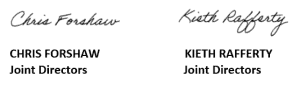
Name: Chris Forshaw & Aaron Rafferty
Role: Joint Directors
Contact Details: caalternativefutures@hotmail.com
Policy Structure and Content
The following safeguarding policy is designed to meet legal expectations, best practices, and the specific needs of CA Alternative Futures. It is informed by resources such as the NSPCC’s example policy statement
(https://learning.nspcc.org.uk/research-resources/templates/example-safeguarding-policy-statement)) and guidance for out-of-school settings.
Mission Statement
CA Alternative Futures is dedicated to providing a safe, inclusive, and enrichingenvironment for children with special educational needs. We believe in fostering their growth, confidence, and well-being through engaging activities and personalised care. Our primary goal is to change their futures by empowering them to reach their full potential and develop essential life skills.
Introduction
This Safeguarding Policy is designed to protect the welfare of all children participating in CA Alternative Futures. It outlines our commitment to ensuring that every child, aged over 8 with an EHCP, is safe from harm, abuse, and neglect while in our care.
This policy applies to all staff, volunteers, and contractors working with or on behalf of the camp.
Definitions
• Child: Any person under the age of 18.
• Abuse: Any form of physical, emotional, sexual, or neglectful treatment that causes harm or risk of harm to a child.
• Safeguarding: The process of protecting children from abuse and ensuring their welfare is promoted.
Roles and Responsibilities
• Designated Safeguarding Lead (DSL): Mr. Chris Forshaw
• Responsible for overseeing the implementation of the Safeguarding Policy.
• Point of contact for all safeguarding concerns.
• Liaises with external agencies as necessary.
• Ensures staff are trained and informed about safeguarding matters.
• Deputy Designated Safeguarding Lead (DDSL): Mr. Aaran Rafferty
• Assists the DSL in their duties.
• Acts as the DSL in their absence.
• All Staff and Volunteers
• Have a responsibility to report any safeguarding concerns to the DSL or
DDSL.
• Must follow the camp’s Safeguarding Policy and procedures.
Code of Conduct and Professional Boundaries
All staff and volunteers must maintain clear professional boundaries at all times when
working with children.
• Staff must treat all children with respect, dignity, and fairness
• Physical contact must be appropriate, necessary, and in line with the child’s
individual care plan and EHCP.
• One-to-one working must be avoided where possible and conducted in visible
or open environments
• Staff must not show favouritism, give gifts, or make private arrangements with
children or families.
• Staff must not transport children in personal vehicles unless agreed in writing
with parents and management.
• Staff must not engage in personal, social, or online relationships with children
outside of camp activities.
• Any breach of this Code of Conduct will be treated as a safeguarding concern
and managed accordingly.
Reference: Working Together to Safeguard Children (DfE)
Reporting Concerns
Any staff member, volunteer, or child who has a concern about the safety or well-
being of a child should report it immediately to the DSL or DDSL. Concerns can be
reported verbally or in writing.
• If the concern is about the DSL or DDSL, it should be reported to the LADO
(Local authority designated Officer).
• All reports will be treated confidentially and handled in line with data
protection regulations.
• The camp will follow local authority procedures for reporting to external
agencies such as social services or the police.
Allegations Against Staff or Volunteers
If an allegation is made against a member of staff or volunteer:
• The concern must be reported immediately to the DSL or DDSL.
• If the allegation concerns the DSL or DDSL, it must be reported directly to
the Local Authority Designated Officer (LADO).
• The individual may be removed from duties while the matter is
investigated.
• The DSL will follow local authority safeguarding procedures and cooperate
fully with any investigation.
• All allegations will be handled confidentially and fairly, ensuring the welfare
of the child is the priority.
Staff will be supported throughout the process in line with employment and
safeguarding guidance.
Reference: Keeping Children Safe in Education (DfE)
Handling Disclosures
If a child discloses abuse or expresses concern about their safety:
• Listen to the child without judgment or interruption.
• Reassure the child that they have done the right thing by telling someone.
• Do not ask leading questions or make promises that cannot be kept.
• Record the disclosure accurately, using the child’s own words.
• Report the disclosure to the DSL or DDSL immediately
• The DSL or DDSL will determine the appropriate action, which may include
contacting external agencies.
Record Keeping and Confidentiality
• All safeguarding records are stored securely and separately from general
records.
• Access is restricted to the DSL, DDSL, and authorised professionals.
• Records are retained in line with data protection and safeguarding
guidance.
• Information is shared only on a need-to-know basis to protect the child.
Reference: UK GDPR and Data Protection Act 2018
Support for Children with EHCPs
• Each child’s individual EHCP will be reviewed to understand their specific
needs and any potential risks.
• Staff will be trained to handle the needs of children with special educational
needs.
• Parents/guardians will be involved in planning and will be informed about
any changes or concerns related to their child’s safety or well-being.
• The camp will work closely with any professionals involved in the child’s
care to ensure continuity and appropriate support.
Staff Training
• All staff and volunteers will receive induction training on the Safeguarding
Policy and their responsibilities.
• Regular training sessions will be provided to keep staff updated on best
practices and any changes in legislation or policy.
• Records of training will be maintained.
Whistleblowing
All staff and volunteers have a duty to raise concerns about unsafe or inappropriate
practice.
• Concerns should be reported to the DSL or DDSL in the first instance.
• If concerns cannot be raised internally, staff may report directly to the local
authority or NSPCC Whistleblowing Helpline.
• Staff who raise genuine concerns will be protected from victimisation or
disciplinary action.
Reference: Public Interest Disclosure Act 1998
Recruitment and Vetting
• All staff and volunteers will undergo appropriate vetting, including DBS (Disclosure and Barring Service) checks where required.
• References will be taken and verified.
• Staff will be informed about the camp’s Safeguarding Policy during the
recruitment process.
Cooperation with the School
• The camp will adhere to all rules and regulations set by the school
regarding the use of premises.
• The camp will maintain open communication with the school’s staff to
ensure the safety and well-being of the children.
• Any concerns or incidents occurring on school premises will be reported to
the school’s designated person.
Emergency Procedures
• The camp has clear procedures for handling medical emergencies,
including first aid and contacting emergency services.
• Evacuation plans are in place and staff are trained on these procedures.
• Parents/guardians will be contacted in the event of any serious incident
involving their child.
Risk Assessments and Supervision
• Written risk assessments are in place for all activities and reviewed
regularly
• Staff-to-child ratios reflect the needs of children with EHCPs and may
exceed minimum guidance where required.
• Dynamic risk assessments are used to respond to changing situations
• Additional precautions are taken for off-site activities or higher-risk
sessions.
Missing Child and Collection Procedures
• Registers are taken at the start and end of each session.
• Parents/guardians must provide written details of approved collectors.
• Identification may be requested where necessary.
• Late collection procedures are followed, and parents contacted promptly
• If a child goes missing, staff will follow local safeguarding and emergency
procedures immediately.
Reference: Safeguarding Children in Out-of-School Settings (DfE)
Review and Update
• This policy will be reviewed annually or whenever there are
significant changes in legislation or best practices.
• Any updates or changes will be communicated to all staff and
volunteers.
Parental Involvement
• Parents/guardians are encouraged to discuss any concerns or
questions with the camp staff.
• Written consent from parents/guardians is required for each child’s
participation, including permission for medical treatment if
necessary.
• Parents/guardians will be informed of any changes to the camp’s
activities or personnel that may affect their child’s safety or well-
being.
Complaints Related to Safeguarding
• Parents and carers may raise safeguarding concerns with the DSL
or DDSL.
• Complaints will be taken seriously and responded to promptly.
• If concerns are not resolved, parents may escalate to the local
authority.
Individual Care Plans
• Each child will have an individual care plan based on their EHCP,
outlining their specific needs and any adjustments required in
activities or support.
• Staff will be briefed on each child’s care plan before the camp
begins.
• Any changes or updates to a child’s care plan will be communicated
to relevant staff members.
Photography and Social Media
• No photographs or videos of children will be taken without prior
written consent from parents/guardians.
• Staff and volunteers are prohibited from posting images or
information about the children on social media without explicit
permission.
• The camp will have its own social media policy that all staff must
adhere to.
Bullying and Harassment
• The camp has a zero-tolerance policy towards bullying and
harassment.
• Any incidents of bullying or harassment will be addressed
immediately, with appropriate disciplinary actions taken against the
perpetrator.
• Staff will be trained to recognise and respond to such behaviours.
Prevent Duty and Radicalisation Awareness
• CA Alternative Futures is committed to safeguarding children from
radicalisation and extremism.
• Staff are trained to recognise signs of vulnerability to radicalisation.
• Any concerns will be reported through the safeguarding reporting
process.
• The camp works in line with local authority safeguarding procedures.
Reference: Prevent Duty Guidance (DfE)
Technology Use
• Children are not permitted to use personal mobile phones or other
electronic devices during camp activities without prior approval.
• Any use of technology for educational purposes will be supervised by staff.
• Staff must not engage in any form of electronic communication with
children outside of camp activities without parental consent and in line with
camp policies.
Online Safety and Electronic Communication
• Staff must not communicate with children via personal phones, social
media, or private messaging.
• All electronic communication must be professional, appropriate, and, where
required, copied to parents or management.
• Any concerns related to online safety will be treated as safeguarding
concerns and reported accordingly.
Reference: UK Council for Internet Safety
Implementation Considerations
Given the camp’s location at a school, it is crucial to align this policy with the school’s
safeguarding framework, as outlined in resources like *Safeguarding in Schools*
([Safeguarding in schools] (https://learning.nspcc.org.uk/safeguarding-child-
protection-schools)). This includes ensuring that the DSL and DDSL are familiar with
the school’s procedures and can coordinate with school staff for any incidents. The
policy’s focus on children with EHCPs requires additional training for staff, potentially
drawing from guidance on supporting SEN children ([Writing safeguarding policies
and procedures] (https://learning.nspcc.org.uk/safeguarding-child-protection/writing-
a-safeguarding-policy-statement)).
Comparison of Safeguarding Requirements

This table highlights that while schools have statutory DSL requirements, holiday
camps rely on best practice, with additional considerations for EHCPs in the camp
setting.
Conclusion and Recommendation
The provided safeguarding policy for CA Alternative Futures is comprehensive,
addressing the needs of children over 8 with EHCPs, designating Mr. Rafferty and
Mr. Forshaw as DSL and DDSL, and including a mission statement focused on
changing their futures. It aligns with non-statutory guidance and school-based
expectations, ensuring a safe and supportive environment. The policy should be reviewed annually and updated as needed, with staff trained accordingly to implement it effectively as of March 11, 2025.
Key Citations
• Keeping children safe in education statutory guidance for schools](https://www.gov.uk/government/publications/keeping-
children-safe-in-education–2)
Keeping children safe during community activities non-statutory guidance(https://www.gov.uk/government/publications/keeping-children-safe-in-out-of-school-settings-code-of-practice)
Example safeguarding policy statement template from
NSPCC] (https://learning.nspcc.org.uk/research-resources/templates/example-safeguarding-policy-statement)
• Safeguarding in schools resources and support](https://learning.nspcc.org.uk/safeguarding-child-protection-schools)
• Writing safeguarding policies and procedures guidance] (https://learning.nspcc.org.uk/safeguarding-child-
protection/writing-a-safeguarding-policy-statement)
Signed:
Mr. Chris Forshaw (Manager & Designated safeguarding lead (DSL)
Mr. Aaron Rafferty (Manager & Deputy Safeguarding Lead (DDSL)
Date: March 11, 2025
Staff & Volunteer Policy
Staff and Volunteer Policy for CA alternative Futures
Effective Date: 1/06/2025
- Purpose
CA alternative Futures is committed to ensuring staff and volunteers are qualified, trained, and supported to deliver safe, high-quality activities for children aged 5-15, in compliance with safeguarding, health and safety, and employment regulations.
- Scope
This policy applies to all paid staff, volunteers, and contractors involved in club activities, on-site or off-site.
- Recruitment and Vetting
- Selection: Staff and volunteers are recruited based on qualifications, experience, and suitability for working with children.
- Vetting: All staff and volunteers undergo enhanced DBS checks, renewed every 3 years. References are verified.
- Eligibility: Right-to-work checks comply with UK employment law. Volunteers under 16 (if applicable) are supervised and do not handle sensitive tasks.
- Training and Development
- Mandatory Training: All staff and volunteers complete annual training on:
- Safeguarding (per Safeguarding Policy).
- Health and safety (per Health and Safety Policy).
- GDPR and information security (per GDPR and Information Security Policies).
- Behaviour management and inclusion (per Behaviour and Inclusion Policy).
- Emergency procedures (per Emergency and Closure Policy).
- Specialised Training: At least one staff member per session is first aid-trained. Activity-specific training (e.g., for archery) is provided as needed.
- Ongoing Development: Staff receive regular feedback and opportunities for skill development (e.g., SEND support).
- Roles and Responsibilities
- Club Manager: Oversees recruitment, training, and performance, ensuring policy compliance.
- Staff and Volunteers: Deliver activities, follow policies, and report concerns (e.g., safeguarding, safety issues).
- Supervision Ratios:
- Ages 5-7: 1 staff per 8 children (or per insurance/Ofsted requirements).
- Ages 8-15: 1 staff per 10-15 children, adjusted for activity risk.
- Volunteers are supervised by paid staff and do not lead high-risk activities.
- Code of Conduct
- Staff and volunteers must:
- Treat children, parents, and colleagues respectfully.
- Follow safeguarding protocols (e.g., no lone contact with children).
- Maintain confidentiality of data (per GDPR Policy).
- Report incidents or concerns immediately to the manager or Designated Safeguarding Lead.
- Breaches (e.g., policy non-compliance) result in disciplinary action, up to termination.
- Performance and Discipline
- Performance is reviewed annually, with feedback sessions to support improvement.
- Disciplinary procedures follow UK employment law, with clear steps (e.g., verbal warning, written warning, dismissal) for issues like misconduct or negligence.
- Communication
- Staff and volunteers receive a handbook with all policies at induction.
- Parents are informed of staff qualifications and vetting via registration materials.
- Staff can raise concerns via the Complaints and Feedback Policy.
- Compliance and Monitoring
- DBS checks and training records are audited annually.
- Policy adherence is monitored through staff feedback and incident reviews.
- Non-compliance may result in ICO or Ofsted penalties (if registered).
- Contact Information
For queries, contact:
Chris Forshaw, Club Manager
Aaron Rafferty, Deputy Manager
CA Alternative Futures LTD
23 Lathem Avenue
Helsby
Cheshire
WA6 0DY
Email: Caalternativefutures@hotmail.com
Phone: 07547803788
- Review
This policy is reviewed annually or after regulatory changes. Last updated: 01/06/2025.
Implementation Notes
- Immediate Actions:
- Insert club-specific details (e.g., manager names, contact info, addresses) in each policy.
- Compile policies into a staff handbook and share with parents via the booking system, website, or registration packs.
- Train staff on all policies during induction and annually, with records kept for audits (per GDPR Policy).
- Verify the booking system supports policy-related functions (e.g., parental notifications, data collection for SEND needs).
- Parental Communication:
- Provide simplified policy summaries in registration materials (e.g., “We ensure inclusive activities and clear booking terms”).
- Use the booking system to collect parental consent and information (e.g., medical needs, behaviour concerns), ensuring GDPR compliance.
- Future Booking System Transition:
- Ensure new systems support policy implementation (e.g., secure data storage, parental notifications for emergencies).
- Conduct a DPIA before transitioning, as outlined in the GDPR and Information Security Policies.
- Notify parents of system changes, detailing how policies remain enforced.
- Regulatory Compliance:
- If Ofsted-registered, ensure policies meet Early Years or Childcare Register standards (check GOV.UK).
- For unregulated clubs, adopt the Keeping Children Safe Code of Practice for consistency.
- Monitor the Data (Use and Access) Bill (introduced October 2024) for updates affecting complaints or data handling, via ICO guidance.
- Venue and Age Considerations:
- Tailor policies for temporary venues (e.g., ensure emergency evacuation routes are clear).
- Adjust procedures for age groups (e.g., more supervision for ages 5-7, autonomy for 12-15) to balance safety and independence.
Critical Considerations
- Mixed-Age Group: Policies account for developmental differences (e.g., behaviour rules for younger vs. older children, supervision ratios).
- SEND and Diversity: Ensure inclusivity through tailored support and staff training, as parental trust hinges on equitable treatment.
- Booking System: Verify the current system’s capabilities (e.g., secure data storage, parental access) and ensure future systems maintain compliance.
- Safeguarding Linkage: All policies reference the Safeguarding Policy to address risks like bullying or emergencies, critical for child protection.
- Parental Trust: Clear, accessible policies enhance confidence, especially for parents of young or SEND children.
Toilet Policy
- Purpose
CA Alternative Futures is committed to providing safe, hygienic, and accessible toilet facilities for children aged 5-15, staff, and volunteers, while ensuring privacy, dignity, and safeguarding. This policy outlines procedures for toilet use, supervision, hygiene, and support for children with additional needs, in compliance with UK safeguarding, health and safety, and equality regulations.
- Scope
This policy applies to all children, staff, volunteers, and contractors at CA Alternative Futures, covering toilet use during club activities, whether at our primary venue or off-site locations (e.g., during trips). It includes provisions for children with special educational needs or disabilities (SEND) and medical conditions.
- Principles
- Safety: Ensure toilet facilities are safe and supervised appropriately, prioritizing child protection.
- Hygiene: Maintain clean and well-stocked facilities to promote health.
- Dignity and Privacy: Respect children’s privacy and individual needs.
- Inclusivity: Provide accessible facilities and support for all children, including those with SEND or medical needs.
- Safeguarding: Adhere to safeguarding policies to prevent risks during toilet use.
- Toilet Facilities
- Access: Children have access to clean, age-appropriate, and gender-neutral or single-sex toilets (as available) at all club venues. Facilities are checked daily for cleanliness, safety, and supplies (e.g., soap, toilet paper, hand dryers).
- Accessibility: Accessible toilets are available for children with SEND or mobility needs, compliant with the Equality Act 2010.
- Off-Site Activities: When off-site (e.g., trips), staff verify the availability and safety of toilet facilities in advance, ensuring they meet club standards.
- Signage: Clear signage directs children to toilets, with staff assistance for younger children (ages 5-7).
- Supervision and Safeguarding
- Age-Appropriate Supervision:
- Ages 5-7: Staff supervise toilet visits to ensure safety, remaining outside the facility unless assistance is required (e.g., for accidents or medical needs). Assistance follows safeguarding protocols (e.g., two staff present, parental consent for intimate care).
- Ages 8-15: Children may use toilets independently, with staff monitoring proximity (e.g., checking no unauthorized adults are present). Older children (12-15) are given more autonomy but remain under general supervision.
- Safeguarding Measures:
- Staff are DBS-checked and trained in safeguarding to handle toilet-related situations (e.g., assisting with accidents).
- No staff member is alone with a child in a toilet unless strictly necessary (e.g., medical emergency), and a second staff member is present or informed.
- Children are encouraged to report any concerns (e.g., unsafe conditions, inappropriate behaviour) to staff immediately.
- Group Visits: Toilets are used in small, supervised groups for younger children to prevent overcrowding and ensure safety. Staff monitor entry/exit times.
- Hygiene Standards
- Cleaning: Toilets are cleaned daily (or more frequently if needed) and inspected before and during sessions to ensure hygiene. A cleaning log is maintained.
- Supplies: Toilets are stocked with soap, toilet paper, and hand-drying facilities. Handwashing is encouraged and supervised for younger children.
- Waste Management: Sanitary bins (if provided) are emptied regularly, and waste is disposed of per health and safety guidelines.
- Infection Control: Staff ensure regular handwashing, especially before meals or after outdoor activities, to prevent illness spread.
- Supporting Children with Additional Needs
- SEND and Medical Needs: Children with SEND or medical conditions (e.g., continence issues) are supported based on parental information provided via the booking system or registration forms.
- Individual care plans are followed (e.g., for toileting assistance), with parental consent documented.
- Staff are trained to provide discreet support, ensuring dignity (e.g., helping with changing without singling out the child).
- Accessible Facilities: Wheelchair-accessible toilets or changing areas are provided where available. If unavailable, alternative arrangements (e.g., nearby accessible venue) are coordinated with parents.
- Confidentiality: Medical or continence data is handled per the GDPR Policy, stored securely, and shared only with authorized staff.
- Toileting Procedures
- Scheduled Breaks: Regular toilet breaks are scheduled, especially for younger children (ages 5-7), to prevent accidents and ensure comfort.
- Requests: Children may request toilet visits outside scheduled times, with staff facilitating prompt access.
- Accidents: In case of accidents (e.g., wetting, soiling):
- Staff handle incidents discreetly, with a change of clothes provided by parents or the club (if pre-arranged).
- Two staff members assist to maintain safeguarding standards, following parental consent for intimate care.
- Parents are informed sensitively at pick-up or sooner if necessary.
- Parental Communication: Parents are encouraged to inform staff of any toileting needs (e.g., frequent urination, anxiety) at registration to ensure tailored support.
- Off-Site and Trip Procedures
- Pre-Trip Checks: Staff confirm toilet availability and safety at off-site venues, ensuring accessibility and hygiene.
- Supervision: Staff accompany children to toilets during trips, following the same age-appropriate supervision rules.
- Emergency Supplies: Staff carry spare clothes, wipes, and hygiene products for accidents or unexpected needs.
- Roles and Responsibilities
- Club Manager: Ensures facilities meet safety and hygiene standards, oversees cleaning schedules, and trains staff on this policy.
- Staff and Volunteers: Supervise toilet use, maintain hygiene, support children with needs, and report issues (e.g., unsafe facilities) to the manager.
- Parents/Guardians: Provide relevant information (e.g., medical needs, continence issues) at registration and supply spare clothes if needed.
- Children: Are encouraged to follow hygiene rules (e.g., handwashing) and report concerns to staff.
- Training and Awareness
- Staff and volunteers receive annual training on this policy, covering safeguarding, hygiene, and supporting children with SEND or medical needs.
- Children are briefed on toilet rules (e.g., handwashing, reporting issues) in an age-appropriate way at the start of each session.
- Parents receive a summary of this policy via registration materials or the club website.
- Compliance and Monitoring
- Daily facility checks ensure safety and hygiene, with issues (e.g., broken fixtures) reported and resolved promptly.
- Safeguarding incidents related to toilet use are reported per the club’s safeguarding policy.
- This policy is reviewed annually or after significant changes (e.g., new venues, regulatory updates).
- Non-compliance (e.g., inadequate supervision) may result in disciplinary action.
- Contact Information
For queries or concerns, contact:
Chris Forshaw, Club Manager
Aaron Rafferty, Deputy Manager
CA Alternative Futures LTD
23 Lathem Avenue
Helsby
Cheshire
WA60DY
Email: Caalternativefutures@hotmail.com
Phone: 07547803788
For safeguarding concerns, contact the Designated Safeguarding Lead: Chris Forshaw.
- Review
This policy is reviewed annually or as required by legal, operational, or venue changes. Last updated: 01/06/25.
Key Features of the Toilet Policy
- Safeguarding Focus: Ensures age-appropriate supervision and DBS-checked staff, aligning with UK child protection standards.
- Inclusivity: Supports children with SEND or medical needs, compliant with the Equality Act 2010.
- Hygiene and Safety: Maintains clean, well-stocked facilities with daily checks, addressing health risks.
Practical for Holiday Clubs: Tailored for mixed-age groups (5-15) and temporary venues, with clear procedures for accidents and off-site trips.